Designing Data Visualizations that Work

Digitalisering
Dato
11. juni 2026
Varighed
One day. Exact day coming shortly
Lokation
Aarhus University Conference Centre
Pris
DKK 5,995.00 + VAT

why take this course?

In today’s data-rich environments, insight alone is not enough. To create real value, data must be communicated in a way that informs action, builds trust, and drives results.

This one-day course equips you with the skills to design data visualizations that do exactly that. Whether you’re preparing policy briefs, making dashboards, advising stakeholders, communicating results or creating internal reports, you’ll learn to design visual presentations of your data that are clear, trustworthy, and persuasive.

From boardrooms to dashboards, research reports to investor updates – this course helps you deliver impact through visual clarity.

Creating effective visualizations is not just about choosing the right charting technique, it’s about communicating the right message to the right audience in the right way. In this course, you’ll go beyond default templates to learn how to design data visuals that are intuitive, impactful, and purpose-driven.

This course is taught in English.

who should attend?

This course is designed for professionals who regularly work with data and need to communicate insights effectively, including:

  • Business intelligence analysts and strategy professionals
  • Data specialists in both public and private organizations
  • Government and municipal analysts
  • Researchers and social scientists
  • Consultants and communication professionals presenting data to clients or stakeholders
  • Advisors of decision-makers in both the public and private sector

Whether you work in a ministry, a multinational company, or a nonprofit – if your role involves turning data into decisions, this course is for you.

Key Learning Outcomes

After completing the course, you’ll be equipped to:

  • Create visualizations that persuade, inform, and inspire action
  • Avoid common mistakes that undermine trust or clarity
  • Strengthen the credibility of your reports, dashboards, and presentations
  • Apply advanced techniques to reveal insights that matter
  • Use powerful visualization tools – without needing to code.

You’ll leave with the skills and tools to elevate how your data is seen, understood, and acted upon.

In addition you get a wealth of pointers to additional materials, free online books, useful websites, and tools to further develop your data visualization skills after the course.
Master the techniques that turn raw data into sharp, visual insights.

Creating effective visualizations is not just about choosing the right chart—it’s about communicating the right message to the right audience in the right way. In this course, you’ll go beyond default templates to learn how to design data visuals that are intuitive, impactful, and purpose-driven.

You’ll explore a range of techniques, including:

  • Choosing the right chart for your purpose from comparisons to trends, distributions to relationships
  • Transforming standard visuals upgrading simple bar or line charts to reveal deeper patterns
  • Using color, shape, and space with intent to highlight key findings, show variation, and support interpretation
  • Applying design principles such as hierarchy, contrast, alignment, and consistency
  • Avoiding cognitive overload by focusing attention and removing distractions
  • Get an edge by catching a glimpse of the cutting edge visualization techniques that data analysis tools might feature in a few years from now.

You’ll also learn how to design for different audiences: a dashboard for executives has different needs than a policy paper, a social media graphic, or an investor pitch. We’ll cover how to adapt your visual language to match the context – while staying accurate and credible.

In short: You’ll learn how to make charts that work—visually, cognitively, and strategically.

program

course overview

09.00–10.00 | Introduction & Motivation

  • The true power (and limits) of Data Visualization
  • When visuals unlock insight—and when they don’t
  • Use cases across business, government, and research

10.15–11.15 | How Not to Visualize Data

  • Common mistakes that confuse or mislead
  • Hidden biases in design and interpretation
  • Spotting and avoiding manipulative visuals

11.30–12.30 | Designing Effective Visualizations

  • Using human perception to improve understanding
  • Designing for executive, operational, or public audiences
  • Ensuring clarity, inclusivity, and trustworthiness

13.00–14.00 | Advanced Visualization Techniques

  • Going beyond standard Excel and Power BI charts
  • When to use tree maps, sankey diagrams, heat maps, and more
  • Using color, layout, and interaction to amplify meaning

14.15–15.15 | Practical Tools: No-Code & Low-Code

  • Get started with:
    • RawGraphs
    • KNIME
    • Vega-Lite
  • Learn how to integrate these tools into your workflow

15.30–16.30 | Q&A and Wrap-up

  • Bring your own questions, challenges, or cases
  • Summary of key takeaways and visual design principles
  • Practical resources to apply immediately in your work

Use the breaks for some informal 1-on-1 sparring with the lecturer about your particular business case or visualization question you came with.

practical information

You need to bring your own computer and licenses (for instance PowerPoint and Power BI), but you’ll receive slides, toolkits, templates, and visual examples.

The price includes a complimentary meal, coffee, cake and drinks throughout the whole day.

No licenses – neither for PowerBI nor for PowerPoint – are needed for this course.

Bring your own examples to discuss and improve them based on the visualization principles introduced in the course.

meet the instructor

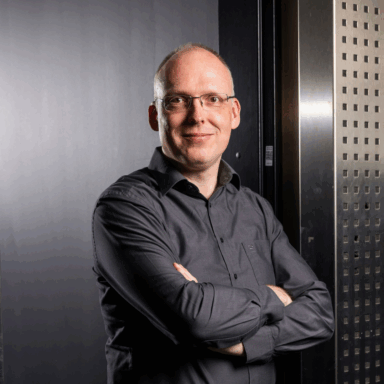
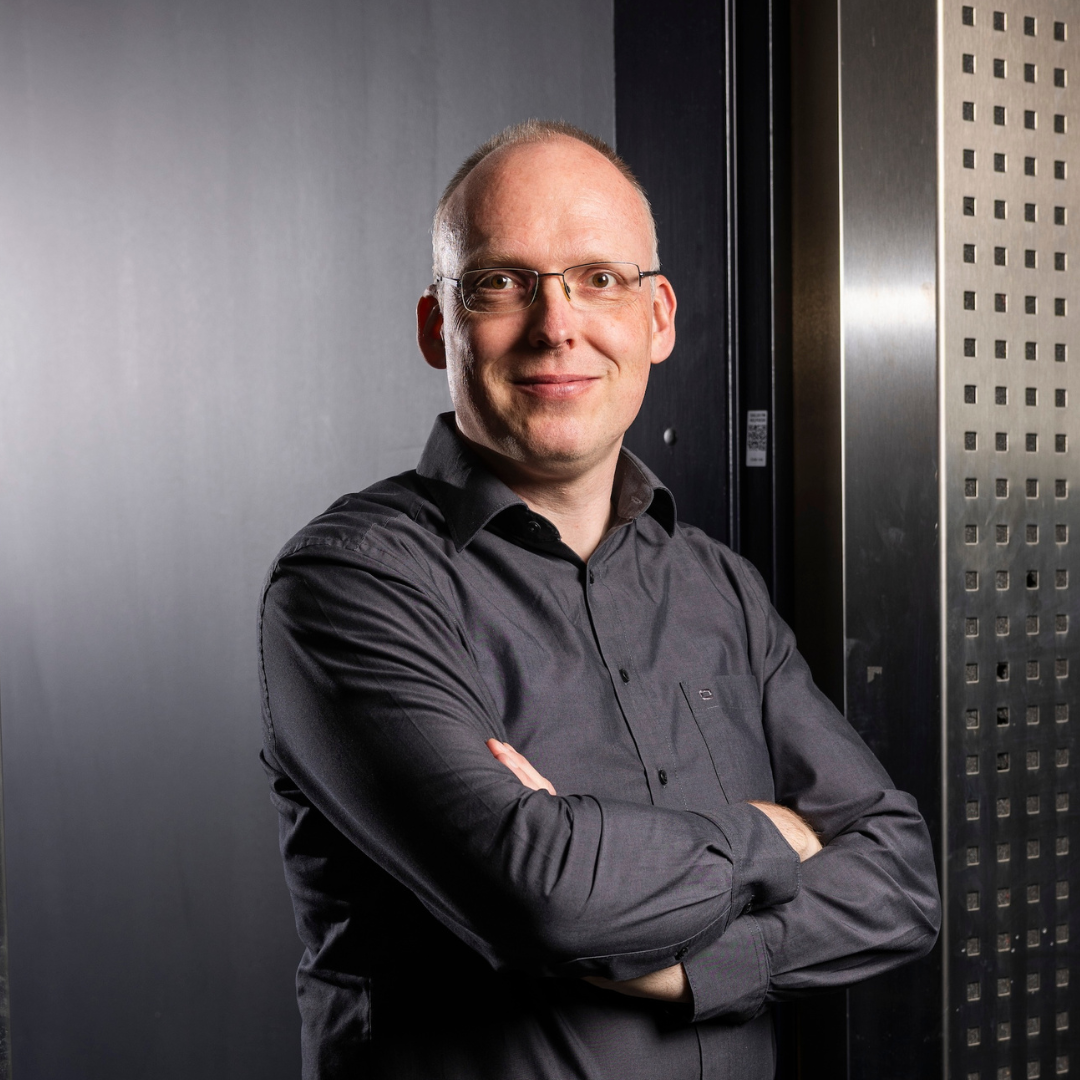
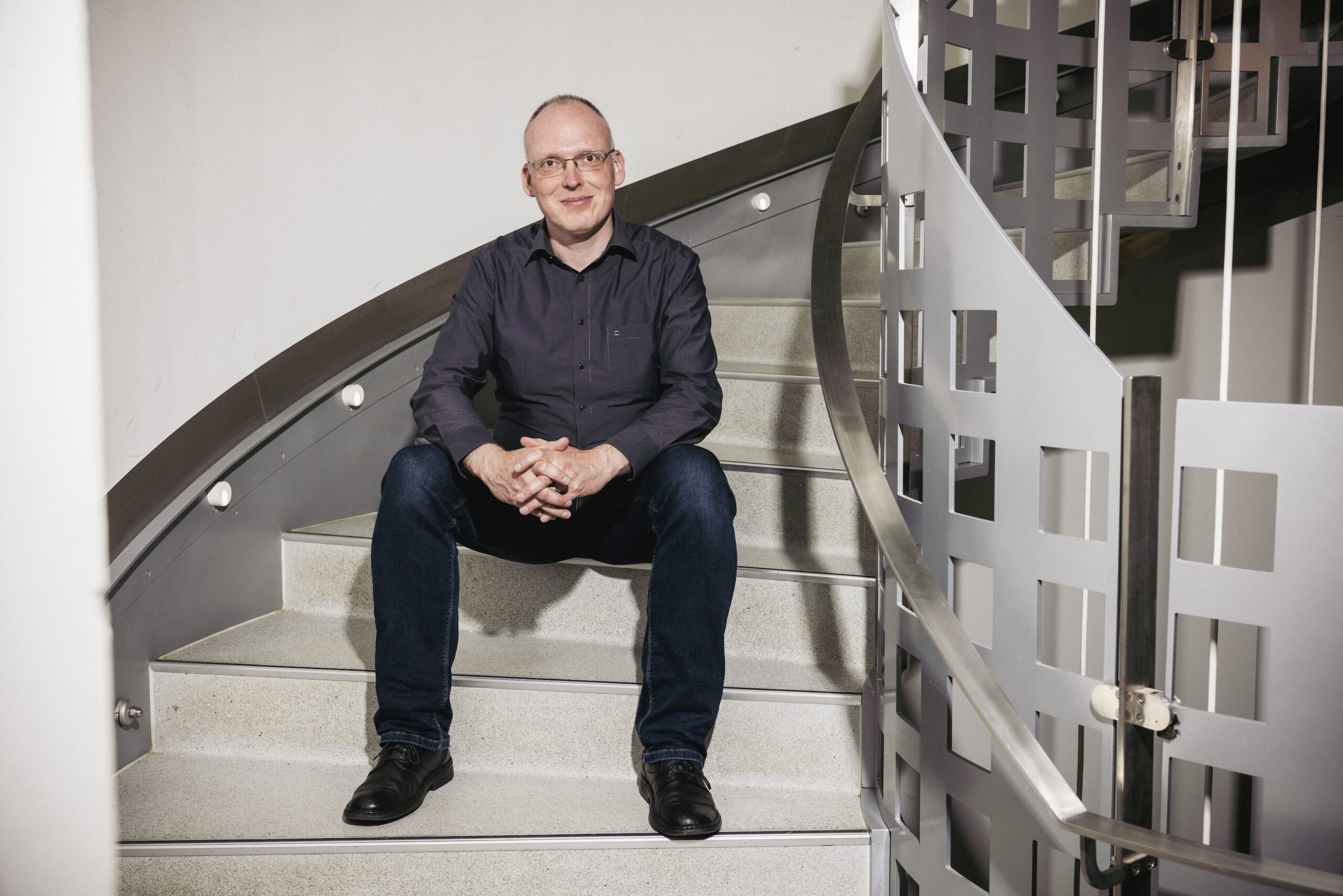
Hans-Jörg Schulz brings extensive experience in designing data visualizations that make an impact from policy briefs to strategic dashboards. He is an associate professor at the Department of Computer Science at Aarhus University.

With a background in visual analysis of structured data, and consulting within both the public and private sector, he brings practical insight into how visualizations work and why they sometimes fail. His teaching combines evidence-based methods, hands-on examples, and a deep focus on real-world challenges.

Be ready for a very unique course that combines your business questions with the scientific background knowledge only a university lecturer can provide.


Energy-Efficient Software Architecture in Practice

Digitalisering
Dato
10. november 2026 – 11. februar 2026
Varighed
2 days
Lokation
Åbogade 34, 8200 Aarhus N
Pris
DKK DKK 11.995 + VAT

about the course

Software architecture encompasses the methods and techniques used to divide software systems in a way that ideally achieves the best balance between competing quality attributes such as maintainability, high performance, security, and uptime.

However, software architects and developers often overlook energy efficiency as a central quality attribute in their work.

Against the backdrop of the climate crisis and increased focus on secure energy supply, energy efficiency has become a factor that should be actively considered.

By optimizing software architecture and programming tasks, it is possible to reduce both the direct energy consumption and the indirect resources required for operating and maintaining systems. Energy efficiency is about getting the most work out of machines with the least possible energy use.

Considerations around green software architecture and programming can significantly reduce energy consumption, especially in organizations working with large data sets.

By implementing efficient technologies, using optimal data formats and databases, and reducing system complexity, developers can lower CPU usage and network traffic – which has a direct effect on overall power consumption. In many cases, this can lead to 10–60 % savings in total energy use, positively impacting both operational costs and an organization’s sustainability profile. An energy-efficient software solution is therefore a win for both the climate and the company’s bottom line.S

Who Is This Course For?

This course is intended for software developers, software architects, and project managers with a technical background who work with programming and software architecture.

What You Will Learn

In this course, you will gain insight into and experience with:

  • Processes for working with energy efficiency in your team.
  • Tactics (specific design choices) to minimize energy consumption both at the architectural and programming level.
  • Tools and techniques for performing reproducible energy measurements.
  • Statistical analysis to ensure your results are statistically valid.
  • Hands-on experience in conducting experiments and subsequent data processing.

course format

The course combines presentations, discussions, and plenary sessions with group work (3–4 people) on concrete tasks in the Datalogi Energy Laboratory.

Practical Information

Duration: 2 days
Time: 08:30 – 16:00 each day
Format: Teaching and networking sessions

Program overview

Note: Program details are subject to change due to final planning.

Day 1
  • Introduction of course and participants
  • Energy fundamentals: Energy, power, computers, and software
  • Motivating exercises – energy use (e.g., ChatGPT)
  • Introduction to Green Architecture Framework (GAF) process tactics
  • Energy Lab: Measurement methods and data collection
  • Group exercise: Measuring software energy — CPU load profiling
  • Part I of GAF tactics presentation
Day 2
  • Part II of GAF tactics presentation
  • Intro to tools and case work in the Energy Lab
  • Group exercise: The impact of database choice on energy use
  • Optional group work:
    • Measurement of programming language choice (in the Energy Lab), OR
    • Energy-efficient architecture for a new case (theoretical exercise)
  • Presentation on statistics and uncertainty
  • Wrap-up and course closure

Hybrid intelligens: gør AI til en del af din forretning

Digitalisering
Dato
29. oktober 2025 – 30. oktober 2025
Varighed
2 dage
Lokation
Aarhus Universitets Konferencecenter
Pris
DKK 11.995

Dette kursusforløb er udsolgt. Hvis du er interesseret i ledige pladser eller kommende kurser, så skriv til os på kontakt@cetera.dk.

Om kurset

Organisationer står i dag over for et voksende pres for at fastholde deres konkurrenceevne ved at integrere banebrydende teknologier som generativ AI. Generativ AI repræsenterer et markant skift, der kan transformere måden, vi arbejder og skaber værdi på. Men mange virksomheder kæmper med:

  • At finde balancen mellem innovation og effektivitet.
  • Modstand mod forandring blandt medarbejdere.
  • Udfordringer med datasikkerhed og governance.

På dette to-dages kursus lærer du at udnytte hybrid intelligens – en kombination af AI og menneskelig dømmekraft – til at skabe innovation, drive organisatorisk forandring og sikre datasikkerheden i din virksomhed. Gennem praktiske øvelser, workshops og case-studier får du konkrete værktøjer til at udvikle AI-strategier og opbygge en fremtidssikret organisation.

Hvem er kurset for?

Kurset er til dig, der vil tage styringen af generativ AI og skabe en fremtidssikret organisation.

Mellemledere og seniorledere:
Ledere, der vil styrke virksomhedens konkurrenceevne ved at bruge AI til at balancere innovation og effektivitet.

Innovationschefer, datastrateger og IT-specialister:
Fagfolk, der ønsker konkrete værktøjer til at integrere hybrid intelligens og generativ AI strategisk.

HR- og forretningsledere:
Beslutningstagere, der vil skabe en arbejdsplads, hvor mennesker og AI arbejder sammen om at skabe værdi.

Hvad lærer du?

Kurset kombinerer teori og praksis for at sikre, at du kan omsætte læringen direkte til din organisation. Du får:

  • Inspirerende oplæg: Indsigt i forskning og hybrid intelligens, AI’s muligheder og konkrete strategier.
  • Workshops og gruppeøvelser: Praktisk arbejde med AI-prototyper og strategisk planlægning.
  • Case studies: Erfaringer fra både danske og internationale virksomheder.

Efter kurset vil du kunne:

  • Udnytte hybrid intelligens til at balancere menneskelige og teknologiske styrker.
  • Skabe en klar vision og roadmap for GenAI-integration.
  • Lede forandringsprocesser og engagere medarbejdere gennem effektiv forandringsledelse.
  • Sikre ansvarlig brug af AI med fokus på datasikkerhed og governance.
  • Forstå status for generativ AI og algoritmiske fremtidsscenarier: autonome superagenter eller hybrid intelligens.
  • Få indsigt i forskellen mellem data science AI og generativ AI, og hvordan begge kan bruges strategisk.
  • Identificere og udvikle mikro-innovationer (effektive procesforbedringer) og makro-innovationer (strategiske gennembrud, der skaber varig konkurrencefordel).

Kurset strækker sig over to dage og består af:

kursusindhold

Dag 1:
  • Introduktion til hybrid intelligens og generativ AI.
  • Workshop: Identifikation af AI-muligheder i din organisation.
  • Case study: Innovation gennem hybrid intelligens.
Dag 2:
  • Forandringsledelse og AI-kultur.
  • Datasikkerhed, governance og etiske retningslinjer.
  • Udvikling af vision og roadmap for AI-integration.
  • Opsamling og præsentation af strategiske planer.